
Key Takeaways
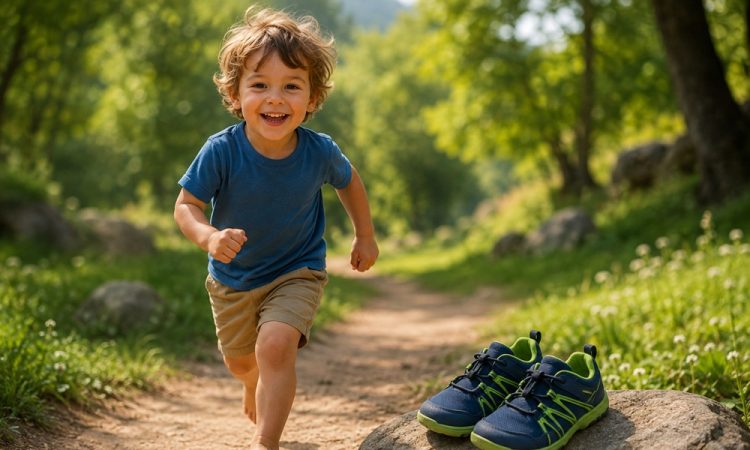
Barefoot running shoes for children foster natural foot development by permitting unrestricted movement. As a result, foot muscles strengthen, leading to improved biomechanics overall.
On the other hand, traditional shoes with arch support may obstruct crucial muscle engagement, possibly causing foot issues. Barefoot shoes, however, facilitate a dynamic relationship with the ground.
Using barefoot shoes boosts proprioception. This helps kids enhance their balance and coordination by feeling the ground beneath them.
When transitioning to barefoot shoes, a gradual approach is advised. Start with short wear periods on soft surfaces to ensure the child’s safety and comfort.
Finding the appropriate barefoot shoes requires attention to flexibility, a wide toe box, a thin sole for better ground feel, and a lightweight design to support optimal movement.
Vivo barefoot, Merrell, and Xero Shoes are among the top brands recommended for children’s barefoot footwear, recognized for their quality and performance.
Why Choose Barefoot Running Shoes for Children?
Exploring the Science Behind Barefoot Running
In recent times, the popularity of barefoot running has risen sharply, especially among children. This trend encourages an exploration into how minimalist footwear influences foot development. Studies indicate that traditional footwear often restricts the natural motion of the foot. Conventional shoes usually include arch support and cushioning, which, while providing comfort, can actually disrupt vital muscle engagement. In contrast, kids’ barefoot running shoes enable unhindered movement, leading to stronger foot muscles.
The mechanics of barefoot running engage the entire foot structure, not only the heel. This practice supports proprioception, which refers to the body’s ability to perceive its position and movement in space. By wearing barefoot shoes, children can connect with the ground, enhancing their sense of balance and stability. Experts increasingly advocate this method, emphasizing that children should build strength organically through movement.
The Role of Footwear in a Child’s Growth
The footwear children wear plays a significant role in their foot growth. Research indicates that ill-fitting and heavily structured shoes can lead to various foot issues, such as flat feet and toe deformities. On the contrary, barefoot shoes support natural foot development, encouraging a more dynamic interaction with the ground. This design allows the toes to spread and the foot to flex, aligning closely with the foot’s natural architecture.
What’s interesting is that many adults experience foot problems stemming from poor choices in childhood footwear. Parents are often on the lookout for the right mix of protection and mobility. Interestingly, protecting young feet doesn’t mean restricting them. Letting kids run barefoot can cultivate habits that promote healthier foot structure and function over time.
Key Benefits of Barefoot Shoes for Growing Feet
Promoting Natural Foot Mechanics and Strength
When assessing the advantages of kids’ barefoot running shoes, one of the most notable benefits is the promotion of natural biomechanics. These shoes encourage the foot’s innate range of motion, allowing muscles and ligaments to strengthen naturally. Regularly encountering varied terrains can stimulate the sensory receptors in the foot, enhancing overall coordination.
“Children who run barefoot often show improved foot strength and posture.”
Several aspects can manifest in a child’s development:
- Improved arch development: Allowing arch muscles to engage naturally, these shoes boost overall foot strength.
- Better alignment: Proper mechanics can diminish the risk of misalignments or other long-term issues.
- Strengthened overall muscle groups: Barefoot running activates not only the foot but also the calf and leg muscles, supporting comprehensive lower limb development.
Enhancing Balance and Coordination in Kids
Children’s balance and coordination show marked improvement when they wear barefoot running shoes. The sensory feedback they receive from the ground promotes better balance. Feeling the ground without the barriers of traditional footwear allows children to adjust their posture and movement reflexively. This adaptability results in enhanced performance across various physical activities.
Take common playground activities, for instance. Kids in conventional shoes might struggle with balance on a beam or while jumping. Conversely, those in minimalist footwear often exhibit greater resilience and agility, navigating challenging terrains more effectively and learning to trust their instincts. This practice not only enhances athleticism but also contributes to quick footwork and reaction times in various sports. Improved balance can lead to superior performance.
- Agility: Quick reactions can greatly enhance a child’s performance in sports.
- Body awareness: Becoming attuned to their body’s position in space without excessive footwear support sharpens their reflexes.
- Confidence: Mastery of movement builds self-esteem in physical activities.
How to Transition Your Child to Barefoot Running Shoes
Steps for a Smooth Transition
Transitioning to barefoot running shoes can present an exciting opportunity, but it often comes with questions. Parents are encouraged to approach this adjustment thoughtfully to ensure comfort and safety. Below are practical steps to ease the transition:
- Start Slow: Introduce short wear periods; allow the child to get used to the new sensation.
- Choose Appropriate Locations: Begin on sand, grass, or soft surfaces for the initial attempts.
- Encourage Natural Play: Let kids run, jump, and explore freely to acclimate to the new footwear.
- Monitor Comfort Levels: Watch for signs of discomfort or pain, adjusting wear time accordingly.
- Celebrate Progress: Acknowledge their successes to nurture enthusiasm for their new shoes!
This process helps ensure children develop a positive relationship with their footwear while they enjoy physical activities. It’s essential to realize that this transition might take time, and being patient is key.
Signs Your Child Is Adapting Well
As children acclimate to barefoot running shoes, parents should look for specific signs that indicate successful adaptation. Common indicators include:
- Increased Confidence: A child who feels comfortable in their shoes is likely to exhibit boosted self-assuredness during activities.
- Natural Movement Patterns: Notice improvements in their running style; ideally, a shift from heavy heel strikes to a more natural footfall.
- Requesting to Wear Them: If a child prefers their barefoot shoes over conventional alternatives, this often signifies comfort.
Noticing these signs can reinforce the positive impact of selecting this type of footwear for a child’s growth. Ultimately, fostering an environment where the child thrives and enjoys movement is crucial.
Choosing the Right Barefoot Running Shoes for Children
What to Look for in Quality Footwear
Selecting the right pair of kids’ barefoot running shoes demands careful consideration. Parents should focus on several key attributes:
- Flexibility: The ability to bend and move naturally is paramount. Flexibility enables natural foot mechanics to thrive.
- Wide Toe Box: Adequate toe space allows the toes to spread freely, bolstering balance and strength.
- Thin Sole: A minimalist sole enhances ground feel and connection. Experiencing different surfaces is vital for developing skills.
- Lightweight Design: Shoes that don’t weigh down children facilitate free movement, essential for active play.
Additionally, parents should consider their child’s specific activities. A pair designed for running might differ from those meant for playground fun. Carefully evaluate the intended use.
Top Brands Recommended by Experts
Regarding brands, several stand out in the realm of barefoot footwear for children. Experts frequently spotlight these names for their dedication to quality and performance:
- Vivo barefoot: Recognized for using high-quality materials and ergonomic designs.
- Merrell: Blends style and functionality, making them ideal for outdoor adventures.
- Xero Shoes: Well-known for their lightweight, minimalist approach crafted specifically for energetic children.
Advice from experts can help parents make well-informed purchases, ensuring children receive optimal support during these pivotal growth years.
FAQ
Are there any specific age recommendations for transitioning to barefoot shoes?
Professionals suggest that children can begin wearing barefoot shoes as early as toddler age. Provided they are active and mobile, parents may introduce minimalist footwear, gradually allowing them to acclimate to this new style of movement.
Can barefoot shoes help with conditions like flat feet?
Yes, barefoot shoes can encourage better engagement of the arch muscles, potentially improving the foot’s natural alignment and support. This increased muscle activation may assist in alleviating issues associated with flat feet over time, fostering stronger foot development.
How do barefoot shoes impact running performance in children?
Experts have noted that barefoot shoes can significantly enhance running performance by promoting better biomechanics. With improved balance, agility, and self-assurance, children often find themselves running with greater efficiency, yielding quicker times and better endurance on the track or field.
What activities are best suited for barefoot running shoes?
Kids’ barefoot shoes excel in activities demanding agility and quick footwork. Running, jumping, climbing playground structures, or partaking in various sports are ideal scenarios, as these shoes encourage natural movement while laying the groundwork for overall athleticism.
Should parents worry about the lack of cushioning in barefoot shoes?
This concern is valid, yet experts emphasize that children’s feet are crafted to manage impact naturally. The absence of excessive cushioning aids in developing a child’s proprioception and balance; nonetheless, initial wear should occur on softer surfaces to facilitate the transition.
How often should children wear barefoot shoes during the transition phase?
During the early stages, it’s recommended for children to wear barefoot shoes for brief durations, gradually extending wear time as they adjust. Starting with 15-30 minutes a day and increasing that based on comfort can ensure a seamless adaptation.
Can children wear barefoot shoes for school or everyday activities?
Absolutely! Many parents discover that barefoot shoes are great for school and daily wear. Their lightweight, flexible designs are suitable for most activities, promoting natural movement while supporting the development of robust foot mechanics throughout the day.
What should parents do if their child experiences discomfort while wearing barefoot shoes?
Monitoring any discomfort is crucial. If a child feels pain, reducing wear time and consulting a professional is essential. Adapting to barefoot shoes can take time, and gradual exposure, accompanied by frequent check-ins, will help ensure a comfortable fit and experience.
Useful Resources
- American Podiatric Medical Association (APMA)
- National Institute of Child Health and Human Development (NICHD)
- Centers for Disease Control and Prevention (CDC)
- American Academy of Pediatrics (AAP)
- American Orthopaedic Foot & Ankle Society
- Barefoot Running Society
- ScienceDirect – Research Articles on Foot Development
- HuffPost – Articles on Barefoot Running
- Runner’s World – Resources for Running Techniques